
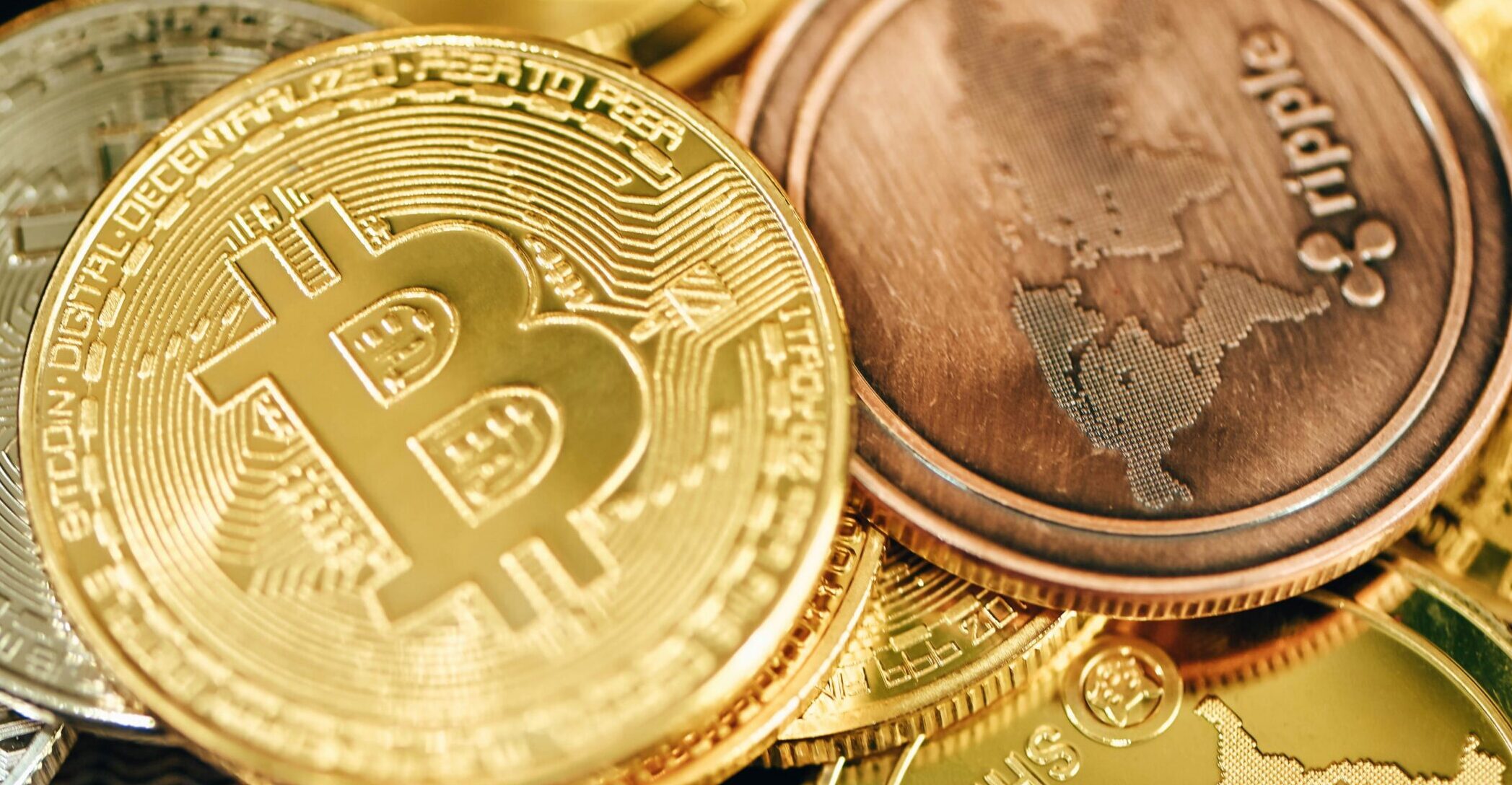
Bitcoin is often seen as better than XRP because it is more decentralized and not controlled by any company. It has been around longer and has built a strong reputation for being secure and reliable. A lot of people and institutions trust it as a “store of value,” kind of like digital gold. Bitcoin also has a fixed supply of 21 million coins, which makes it scarce. Because it’s so widely known and used, it’s very liquid and doesn’t depend on any single organization to function.
XRP, on the other hand, is often seen as better than Bitcoin when it comes to speed and cost. Transactions happen in just a few seconds and cost almost nothing compared to Bitcoin. It also uses way less energy because it doesn’t rely on mining. XRP is mainly designed for sending money across countries quickly and helping financial systems move funds efficiently. It can handle a large number of transactions at once, which makes it more practical for everyday payments.
Here are 10 simple differences between Bitcoin and XRP:
- Purpose — Bitcoin is for storing value; XRP is for payments
- Speed — Bitcoin is slow (~10+ minutes); XRP is fast (~3–5 seconds)
- Fees — Bitcoin fees can be high; XRP fees are very low
- How it works — Bitcoin uses mining; XRP uses validators
- Energy use — Bitcoin uses a lot; XRP uses very little
- Transactions per second — Bitcoin is low (~7); XRP is high (~1,500+)
- Supply — Bitcoin is mined; XRP was created all at once
- Control — Bitcoin has no company behind it; XRP is linked to Ripple Labs
- Decentralization — Bitcoin is more decentralized; XRP is considered more centralized
- Main use — Bitcoin is like digital gold; XRP is for fast global payments